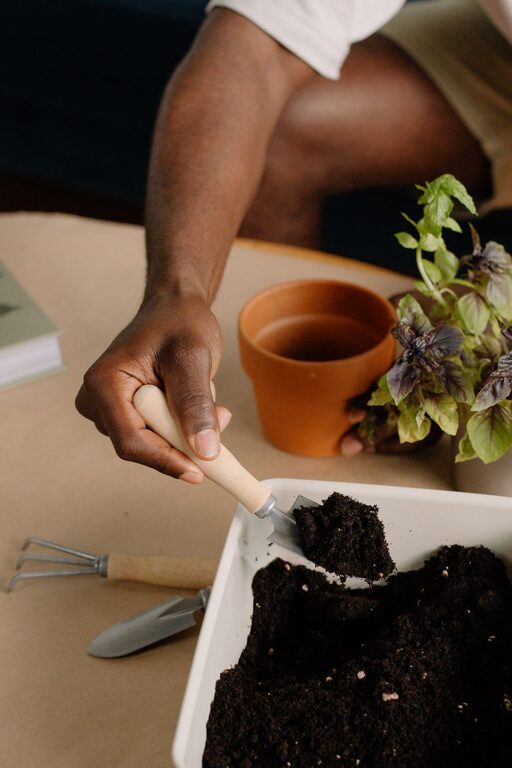
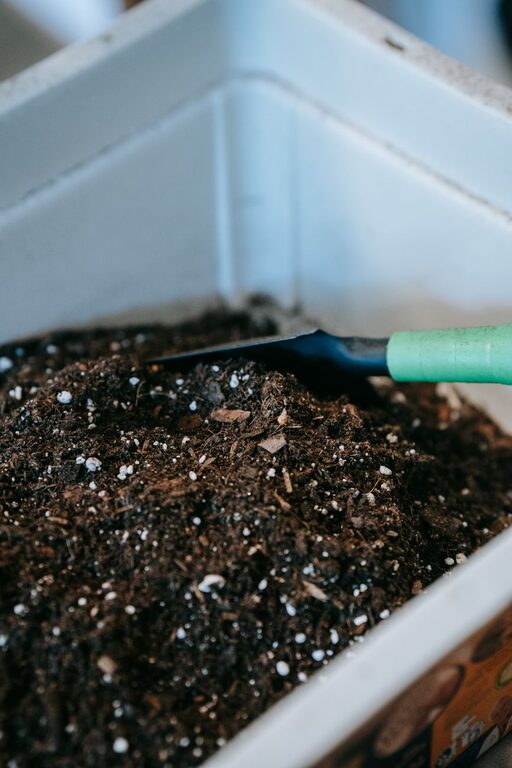
Composting at home is a wonderful way to reduce kitchen waste, support your garden, and make a positive impact on the environment. If you are new to composting, it can seem a bit confusing at first, but with some basic knowledge and easy steps, you’ll soon be turning scraps into valuable nutrient-rich soil. Here are some beginner tips to help you get started with composting at home.
What is Composting?
Composting is the natural process of breaking down organic materials, such as food scraps and yard waste, into nutrient-rich soil known as compost. This compost improves soil structure, helps plants grow, and reduces the amount of waste sent to landfills.
Benefits of Composting at Home
– Reduces waste: Diverts food scraps and yard waste from the trash.
– Improves soil health: Adds nutrients and beneficial microbes.
– Saves money: Reduces the need for chemical fertilizers.
– Supports sustainability: Helps reduce greenhouse gas emissions.
Choosing the Right Composting Method
There are several ways to compost at home, depending on your space, budget, and available time.
1. Compost Bin
A compost bin is a container designed for composting. It can be made of plastic, wood, or metal.
– Ideal for: Backyard use.
– Pros: Keeps compost contained, looks neat, and helps retain heat.
– Cons: Requires a bit of space.
2. Compost Pile
Simply pile your organic waste in a corner of your yard.
– Ideal for: Large spaces and gardeners willing to turn the pile regularly.
– Pros: No cost.
– Cons: Slower decomposition, may attract pests if not managed well.
3. Worm Composting (Vermicomposting)
Uses worms to break down food scraps in a bin.
– Ideal for: Indoor composting, small spaces, apartment living.
– Pros: Produces compost quickly, compact, no bad odors.
– Cons: Requires some care for the worms.
What You Can Compost
Knowing what to add to your compost is essential for success.
Greens (Nitrogen-Rich Materials)
– Fruit and vegetable scraps
– Coffee grounds and filters
– Tea bags (without staples)
– Fresh grass clippings
– Plant trimmings
Browns (Carbon-Rich Materials)
– Dry leaves
– Straw or hay
– Shredded newspaper or cardboard
– Sawdust (untreated wood)
– Small branches or twigs
What to Avoid
– Meat, dairy, and oily foods (can attract pests)
– Diseased plants
– Pet waste
– Invasive weeds or seeds
Steps for Successful Home Composting
1. Pick a Spot
Choose a well-drained, shady spot with good air circulation. If using a bin, place it where it’s easy to access.
2. Start Your Pile or Bin
Layer your compost materials alternating browns and greens. Aim for about 3 parts browns to 1 part greens to keep the compost balanced.
3. Maintain Moisture
Compost should be about as damp as a wrung-out sponge. Water it occasionally if it gets dry, and cover if it’s too wet.
4. Turn the Compost
Mix or turn your pile every 1-2 weeks to introduce oxygen, which helps speed up decomposition.
5. Be Patient
Depending on conditions, compost can take from a few months to a year to be ready. Finished compost looks dark, crumbly, and smells earthy.
Tips for Beginners
– Start small: Begin with a manageable amount of waste.
– Chop materials: Smaller pieces break down faster.
– Avoid overwatering: Too much moisture slows decomposition.
– Keep it balanced: Too many greens can cause odors; add more browns if it smells bad.
– Use kitchen scraps wisely: Freeze scraps if you can’t compost them immediately to prevent pests.
How to Use Your Finished Compost
Once your compost is ready, use it to:
– Mix into garden beds and flowerpots to enrich soil.
– Top dress lawns to provide nutrients.
– Improve soil drainage and moisture retention.
Troubleshooting Common Issues
| Problem | Cause | Solution |
|——————|——————————-|————————————-|
| Foul odor | Too many greens or wet pile | Add more browns, turn pile |
| Slow decomposition| Lack of oxygen or moisture | Turn compost, moisten if dry |
| Pests | Meat/dairy or uncovered scraps| Remove offending items, cover pile |
| Compost too dry | Lack of water | Water lightly |
Final Thoughts
Composting at home is both rewarding and environmentally friendly. By following these beginner tips, you can create a simple composting system that fits your lifestyle and helps you contribute to a greener planet. Remember, composting is a learning process—don’t be afraid to experiment and adjust along the way!
Start today by gathering your kitchen scraps and some yard waste, set up your compost bin or pile, and enjoy the benefits of turning waste into a valuable resource for your garden. Happy composting!