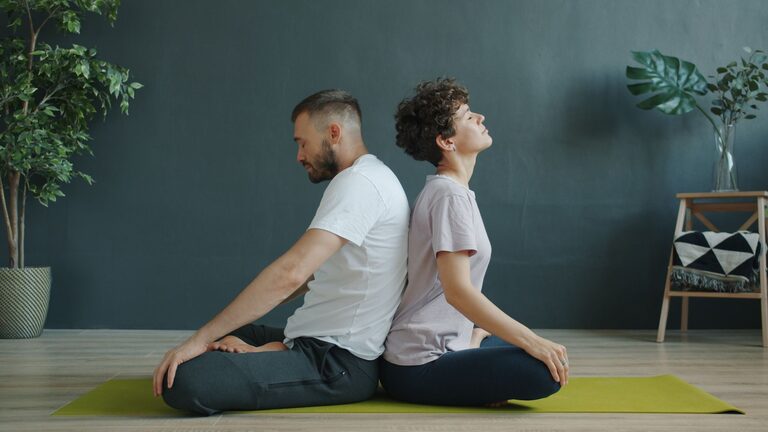

Mindfulness has become a popular approach to improving overall well-being and managing stress. At its core, mindfulness means paying full attention to the present moment without judgment. It helps you become more aware of your thoughts, feelings, and surroundings, which can bring a sense of calm and clarity to your daily life.
The good news is that you don’t need special tools or a lot of time to practice mindfulness. Simple techniques can be incorporated easily into your everyday routine. In this post, we’ll explore several practical mindfulness practices that anyone can try to make their days more peaceful and focused.
What is Mindfulness?
Mindfulness is the practice of intentionally focusing your attention on the present moment. It encourages watching your thoughts and emotions as they arise, without getting caught up in them or trying to change them immediately. This can create a sense of distance from negative feelings and reduce stress.
Mindfulness has roots in meditation traditions, but it also works well as a secular practice that fits in with modern life. People use mindfulness to help with anxiety, improve concentration, and promote emotional balance.
Why Practice Mindfulness Daily?
Adding mindfulness to your daily routine has many benefits:
– Reduces stress: Mindfulness helps calm your mind and body.
– Improves focus: You train your brain to stay on task.
– Enhances emotional regulation: Notice feelings without reacting impulsively.
– Boosts overall well-being: Feel more connected to yourself and others.
Even a few minutes a day can make a difference. Let’s look at some simple mindfulness practices you can try immediately.
Simple Mindfulness Practices to Try
1. Mindful Breathing
One of the easiest ways to practice mindfulness is through your breath.
– Find a comfortable seated position.
– Close your eyes or soften your gaze.
– Take slow, deep breaths in through your nose and out through your mouth.
– Focus your attention on the sensation of the air entering and leaving your body.
– If your mind wanders, gently bring it back to your breath.
Try this for 2 to 5 minutes when you wake up, during a work break, or before bed.
2. Body Scan
The body scan helps you connect with physical sensations and release tension.
– Lie down or sit comfortably.
– Close your eyes and take a few deep breaths.
– Slowly bring your attention to different parts of your body, starting at your toes and moving upward.
– Notice any sensations — warmth, tingling, tightness — without trying to change them.
– If you find tension, imagine breathing into that area to relax it.
Practice this for 5 to 10 minutes to promote relaxation.
3. Mindful Eating
Eating mindfully can transform a routine meal into a calming experience.
– Remove distractions like phones or TV.
– Notice the colors, smells, and textures of your food.
– Take small bites and chew slowly.
– Pay attention to the taste and how the food feels in your mouth.
– Notice feelings of hunger and fullness without judgment.
This practice encourages gratitude and brings awareness to your body’s needs.
4. Mindful Walking
Walking can be a mindful activity when you focus on the experience.
– Walk slowly and deliberately.
– Notice the sensation of your feet touching the ground.
– Feel the movement of your legs and arms.
– Observe the sights, sounds, and smells around you.
– Keep your attention on the present rather than rushing to your destination.
Try this in a park, your neighborhood, or even inside your home.
5. Five Senses Exercise
This quick practice helps ground you anytime you feel overwhelmed.
– Pause and look around.
– Name five things you see.
– Identify four things you can touch.
– Listen for three sounds.
– Notice two smells.
– Recognize one taste, or focus on your breath.
This exercise reconnects you with the moment in a simple but effective way.
Tips for Making Mindfulness a Habit
Consistency is key to reaping the benefits of mindfulness. Here are some ways to help make it a regular part of your life:
– Choose one or two practices to start with and keep it simple.
– Set reminders on your phone or tie mindfulness to existing routines like brushing your teeth.
– Practice at the same time every day, such as morning or before sleep.
– Be patient and gentle with yourself — mindfulness is a skill that improves over time.
– Use guided mindfulness apps or videos for structure and support.
Final Thoughts
Mindfulness is a powerful yet accessible tool to help you navigate everyday challenges with more ease. By incorporating simple practices like mindful breathing, body scans, and mindful eating, you can cultivate greater calm, focus, and awareness throughout your day.
Remember, there’s no perfect way to be mindful — it’s about paying attention to the present moment in whatever way feels right for you. Start small, be consistent, and enjoy the journey toward a more mindful life.