
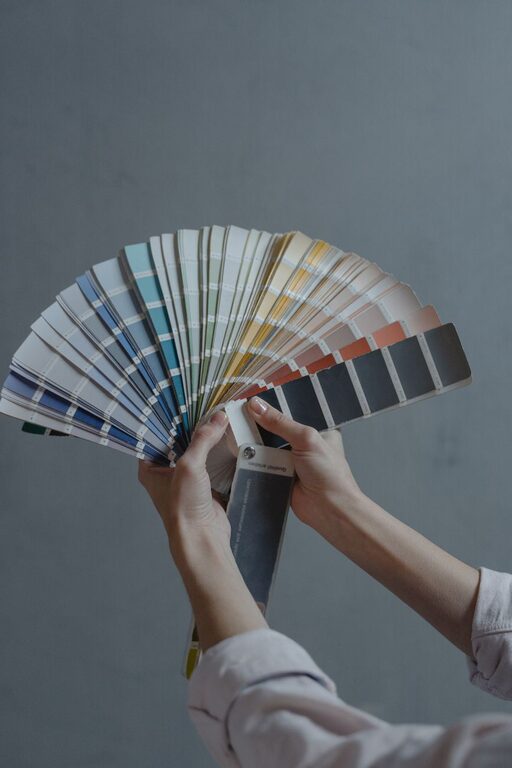
Creating a peaceful and inviting environment in your home often starts with the colors you choose for your walls, furnishings, and decorations. Calm colors can set a soothing tone that promotes relaxation and comfort, making your living space feel like a true retreat. If you’re planning to refresh your home’s look, here are some helpful tips for choosing calm colors that work well in any room.
Why Choose Calm Colors?
Calm colors are typically soft, muted shades that don’t overwhelm the senses. They can reduce stress and create a more balanced atmosphere, perfect for spaces where you unwind, such as bedrooms, living rooms, and bathrooms. Unlike bright or bold colors that energize or stimulate, calm colors help you feel grounded and at ease.
Popular Calm Color Families
Before you start choosing, it’s helpful to know which color families naturally convey calmness:
– Blues: Soft blues remind us of the sky and ocean, evoking tranquility.
– Greens: Gentle greens connect with nature and offer a restful vibe.
– Neutrals: Warm beiges, grays, and off-whites provide a peaceful backdrop.
– Pastels: Light pastel tones such as blush pink, lavender, or pale peach can also feel calming.
Tips for Choosing Calm Colors in Your Home
1. Consider the Room’s Function
Think about how you want to feel in each room:
– Bedroom: Choose calming blues, greens, or soft neutrals to promote restful sleep.
– Living Room: Go for inviting warm neutrals or muted pastels that encourage relaxation and conversation.
– Bathroom: Light blues or greens can create a fresh and spa-like environment.
– Home Office: Soft shades of green or gray can improve focus without feeling distracted.
2. Test Colors in Different Lighting
Natural and artificial light affect how colors appear. Paint swatches on your walls and observe them at different times of day. Calm colors can sometimes look dull or cold in low light, so adjust accordingly by choosing warmer undertones if necessary.
3. Use Color Temperature Wisely
Colors have warm or cool undertones:
– Warm undertones (yellow, red, or orange hints) make a space feel cozy and inviting.
– Cool undertones (blue or green hints) offer a fresh and serene mood.
For calm spaces, cool blues and greens are classic choices, but many warm neutrals with soft undertones can be just as soothing.
4. Balance with Neutrals
Pairing calm colors with neutral shades balances the room and prevents overwhelming the senses. For example, soft blue walls combined with white trim and light wood furniture create harmony.
5. Embrace Texture and Materials
Colors aren’t the only way to create calm. Incorporate soft textures like cotton, linen, and wool in your textiles, and use natural materials like wood and stone to add warmth and depth. These elements work hand in hand with calm colors to enhance comfort.
6. Limit Bold Accents
To maintain a calm atmosphere, keep bold colors to a minimum. Use them sparingly in accessories like pillows, rugs, or artwork. This adds personality without disrupting the peaceful vibe.
7. Consider Color Psychology
While personal taste is important, color psychology can guide your choices:
– Blue: Known to lower heart rate and blood pressure, promoting calmness.
– Green: Balances emotions and reduces anxiety.
– Lavender: Often associated with calm and relaxation.
– Beige/Gray: Neutral but grounding, offering a subtle backdrop.
8. Create a Cohesive Color Scheme
Choose a palette of two to three calm colors that complement each other. Avoid too many variations, which can create visual clutter. Tools like color wheels and online palette generators can help you find harmonious combinations.
Final Thoughts
Selecting calm colors for your home is about creating a space where you feel comfortable and relaxed. By paying attention to the function of the room, lighting, undertones, and balance, you can choose colors that transform your home into a peaceful haven. Remember, calm colors don’t mean boring—they offer a timeless, soothing foundation that lets your personality shine in subtle, beautiful ways.
Quick Checklist for Choosing Calm Colors
– Know the purpose of each room
– Sample colors under different lighting conditions
– Choose between warm and cool undertones
– Pair colors with neutrals for balance
– Add texture and natural materials
– Use bright accents sparingly
– Follow principles of color psychology
– Stick to a simple, harmonious palette
With these tips, you’ll be well on your way to creating a home filled with calm and comfort. Happy decorating!